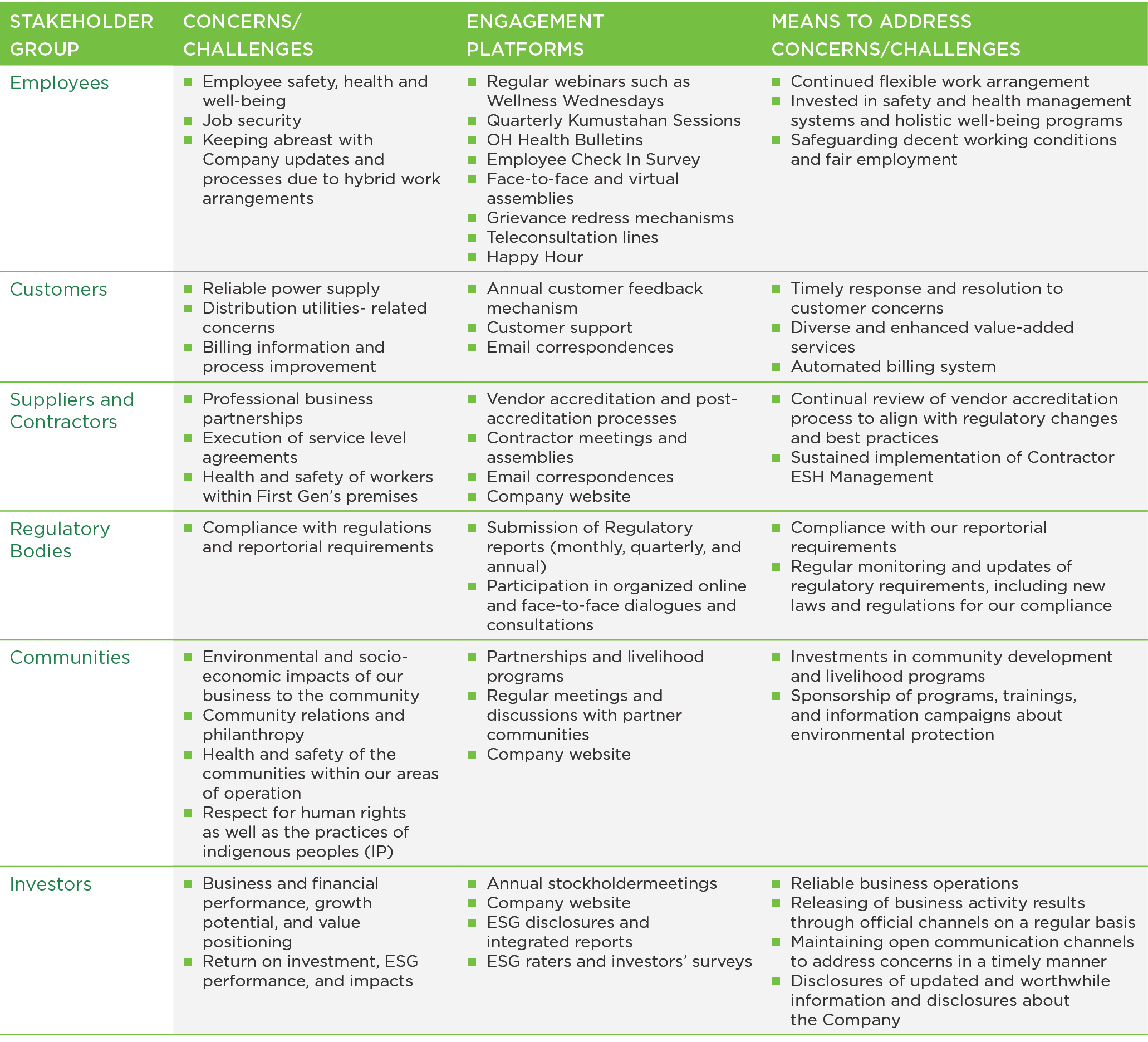
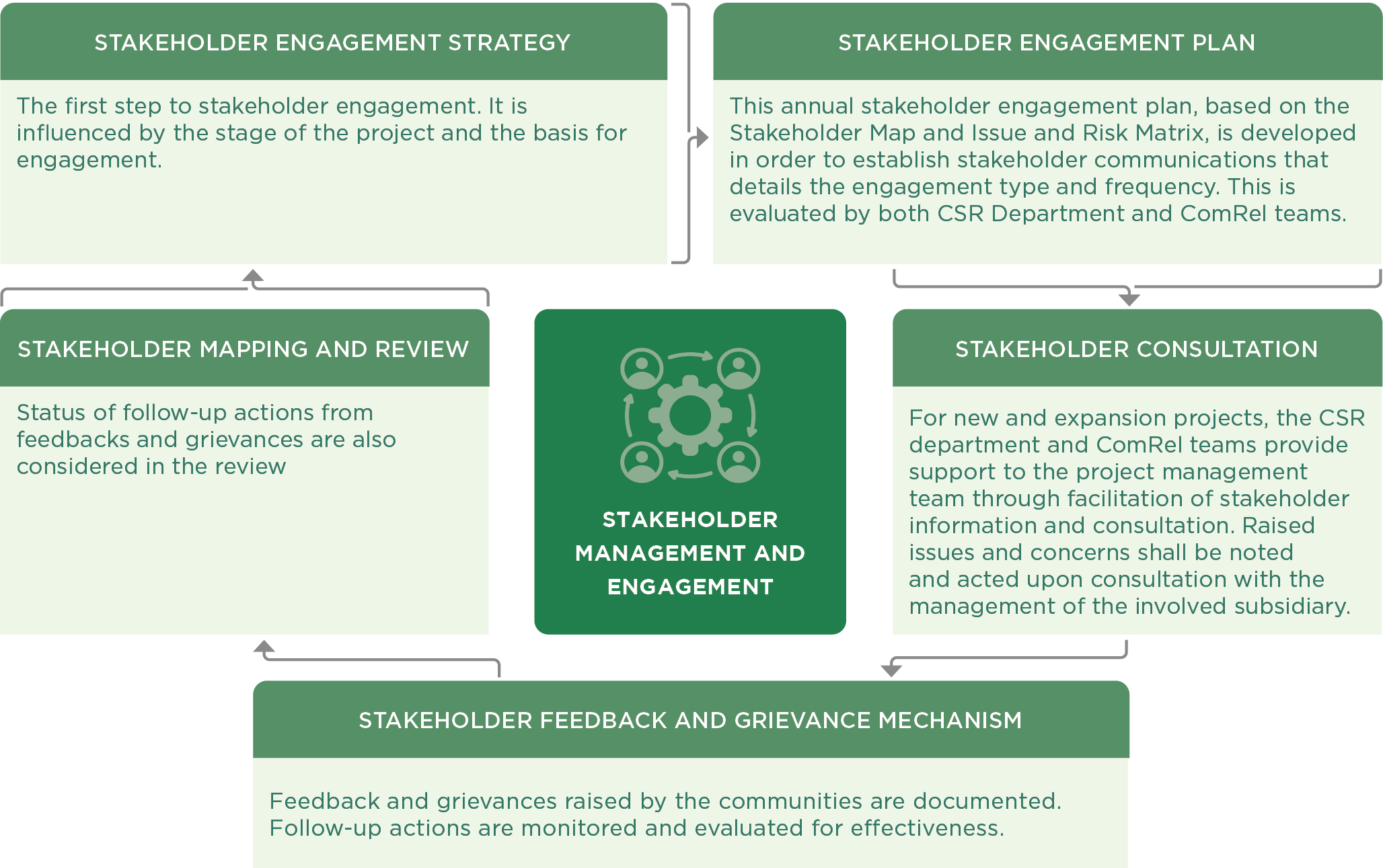
Regular communications with the different stakeholders are managed through our Annual Stakeholder Engagement Plan. First Gen maintains transparency in all our communications through the provision of accurate and timely information.
Driving Regenerative Change Hand-in-Hand with Customers
First Gen remains committed to bring forth integrated solutions to meet evolving customer needs and to drive mutual growth. We provide our customers with access to renewable energy through the RCOA and GEOP. Through Pi Energy Inc., we continue to offer innovative energy solutions such as Remote Energy Monitoring System, Energy Audits, and Solar Rooftop PV System. These solutions are designed to reduce energy consumption, lower carbon emissions, and save on power costs.
Beyond the retail market, First Gen extends our services to distribution utilities and electric cooperatives by offering ground-mounted solar panels, supporting their transition to renewable energy sources.
Additionally, customers are provided with Renewable Energy Certificates and GHG Monitoring Reports upon request. These reports highlight the environmental impact of choosing renewable energy by quantifying the reduction in carbon emissions, empowering customers to see the value of their choice.
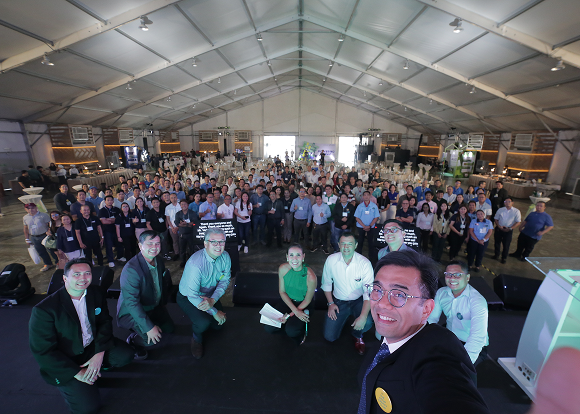
Furthermore, in collaboration with EDC, retail customers were invited to join the NZCA. This initiative offers private sector participants a comprehensive roadmap to achieving Net Zero Carbon Goals. Members benefit from shared best practices, advanced tools for scaling up carbon emission reduction and tracking, improved access to green financing, and capacity-building opportunities.
To keep fostering opportunities for learning, the following initiatives were spearheaded in 2024:
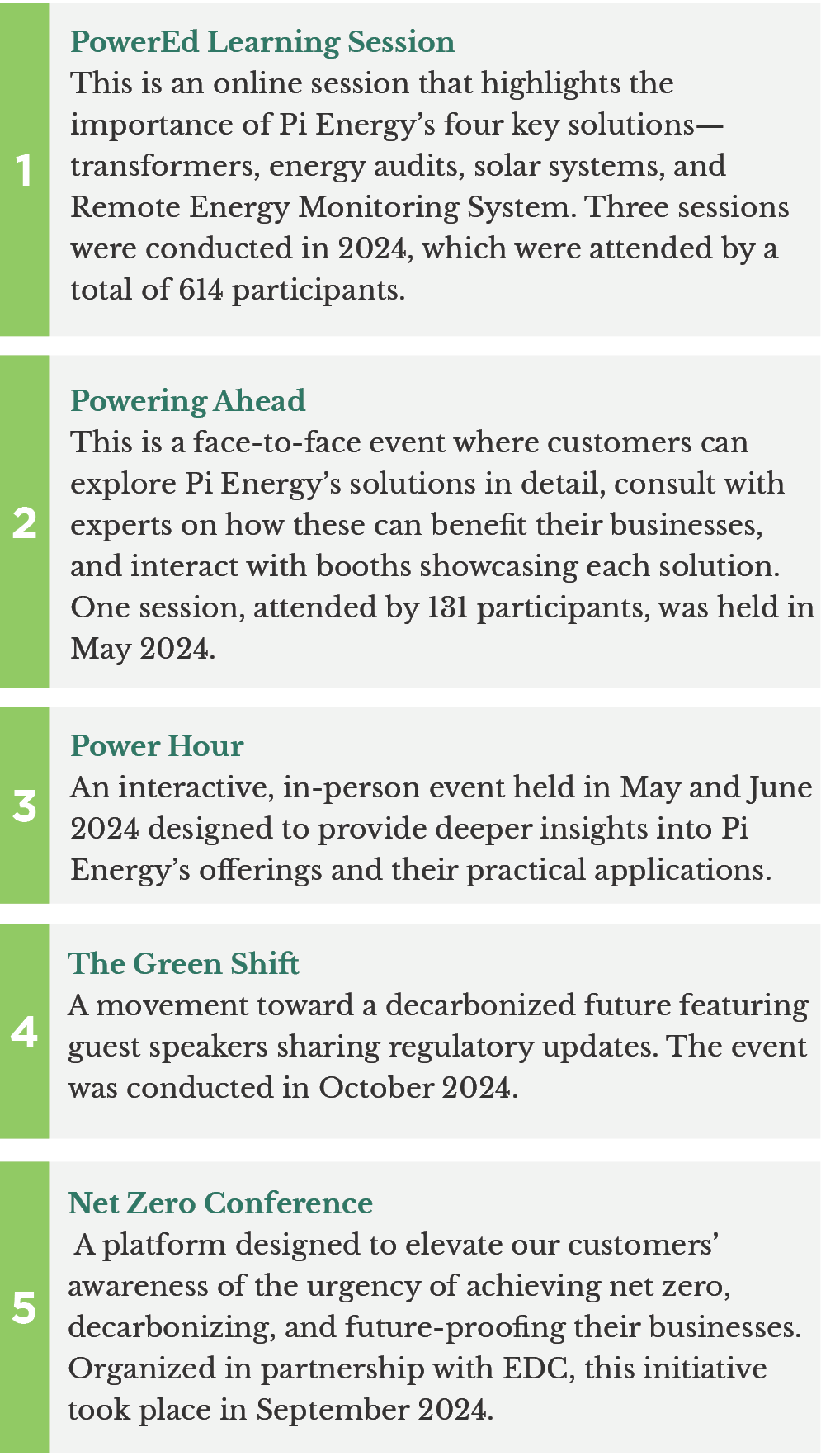
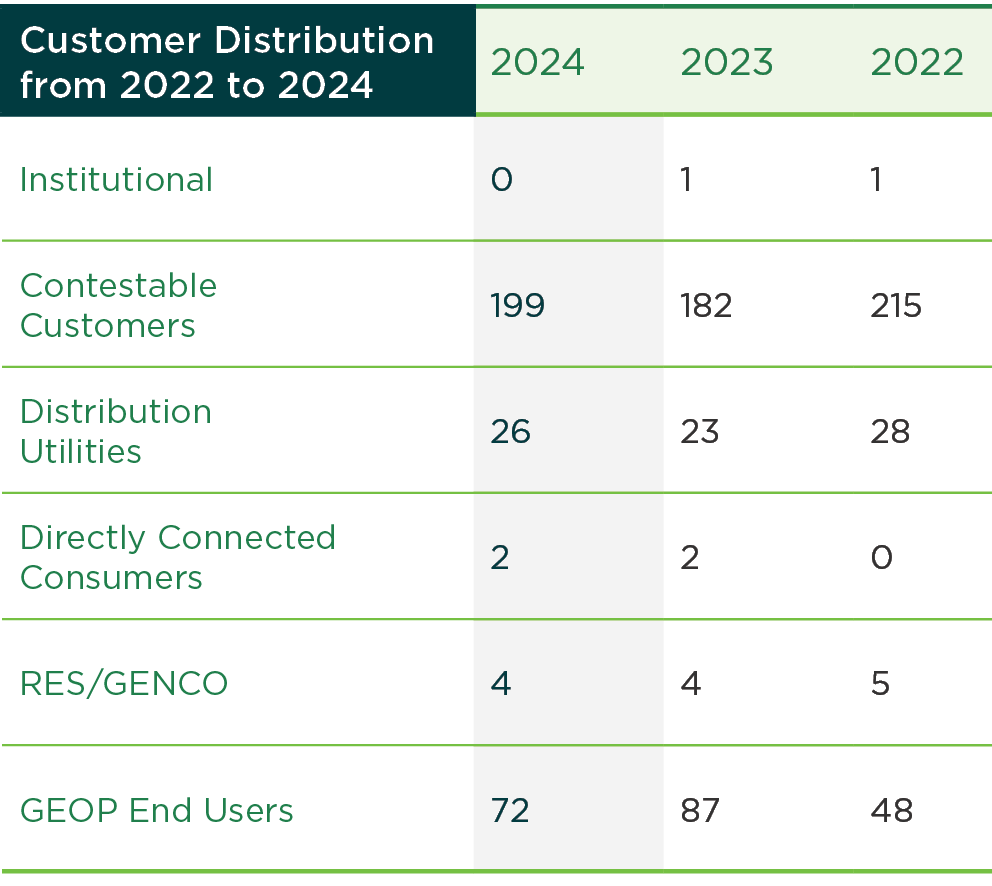
There was a decrease in the number of Institutional customers in 2024 compared to the previous year due to the expiration of contracts. On the other hand, there was an increase in the number of contestable customers and distribution utilities. In addition, there was a 43 percent increase in customer’s availment of the Company’s Value Added Services (VAS).
First Gen conducts an Annual Customer Satisfaction (CSAT) survey to further improve and provide value to our customers. As of this writing, the 2024 CSAT survey is still ongoing, and results are not yet available.
In 2023, approximately 80 percent of the respondents rated First Gen’s services as a Retail Electricity Supplier as Very Satisfactory. The rating scale used ranged from “Not Satisfied at All (1)” to “Very Satisfied (4).” The CSAT covered topics such as Contract Discussion, Switching, Billing & Settlement, Marketing Officer, and Issues Resolution.
Enhancing Cooperative Ties with Partner Communities
First Gen’s CSR activities exemplify our dedication to delivering mutual value and driving positive change with our partner communities. We continuously commit to providing relevant and valuable programs to empower and enhance the well-being of our partner communities in our host towns and municipalities. These initiatives aim to uplift the welfare of indigenous communities, promote their cultural heritage, and enhance community resilience.
There has been an increase in the community investment for programs related to the Environment, Livelihood, Health, and Emergency Response and Relief as part of our commitment to drive positive change with our partner communities.
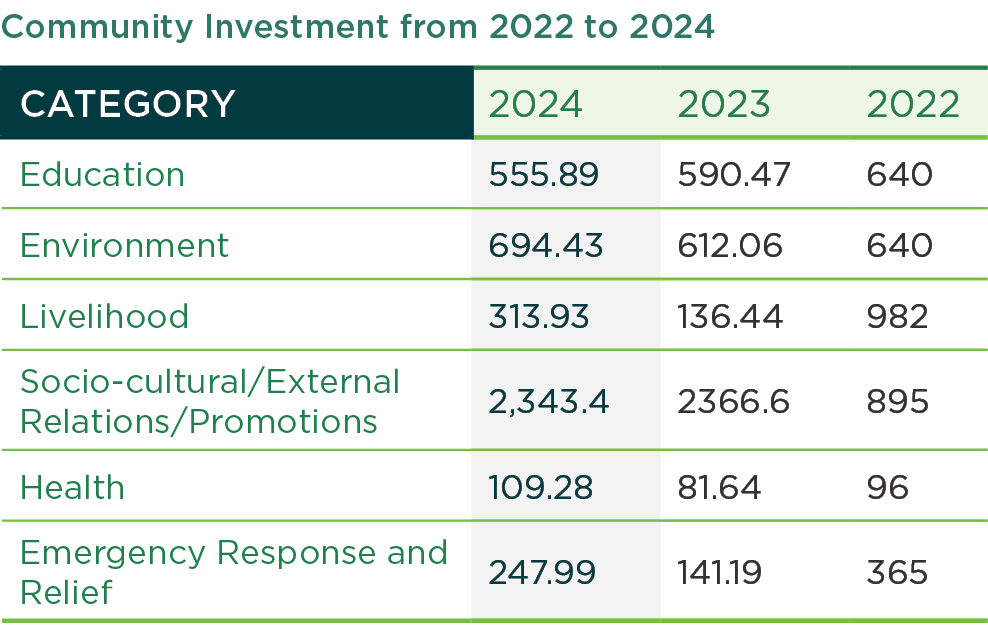
*Values are in USD, Thousands
Empowering Communities Through Educational Initiatives
SIKAT is EDC’s banner education program that seeks to provide holistic support to marginalized but deserving youth from EDC’s host communities nationwide. In 2024, EDC invested PHP34 million in its SIKAT program, covering the provision of scholarship grants to eligible scholars, mentoring support, scholars’ engagement initiatives, career placement assistance after graduation, and support to the Mt. Apo Foundation Inc (MAFI) and Kananga-EDC Institute of Technology (KEITECH) Educational Foundation, Inc.
For the Academic Year 2023-2024, EDC provided financial assistance and mentoring support to 132 scholars at the University of the Philippines and other local universities and colleges. The scholarship grants include the provision of laptops and monthly internet allowances to support distance learning. Through the Adopt-a-Scholar Program launched in September 2021, funds raised and donations from EDC employees support ten of the 132 SIKAT scholars.
In 2024, the program produced 17 graduates across all their project sites, as well as three graduates from the Obo Manobo indigenous community in Mindanao. Among them, eight graduated with Latin honors, specifically two magna cum laude graduates and six cum laude graduates.
EDC continues to support the 70 scholars of the BGI Tanawon Geothermal Project College Scholarship Program launched in 2022 in partnership with the City Government of Sorsogon. The project aims to provide semestral stipends to its scholars until college completion. All 64 barangays of the city have a representative scholar in this program.
EDC also supports 372 beneficiaries for Technical-Vocational training in Negros Island, in partnership with the Local Government Unit (LGU) and Technical Education and Skills Development Authority (TESDA), and 47 scholars of Mt. Apo Geothermal Project, in partnership with Manobo Apao Descendants Ancestral Domain of Mt. Apo (MADADMA), the Barangay Tribal Council, and Barangay Ilomavis LGU.
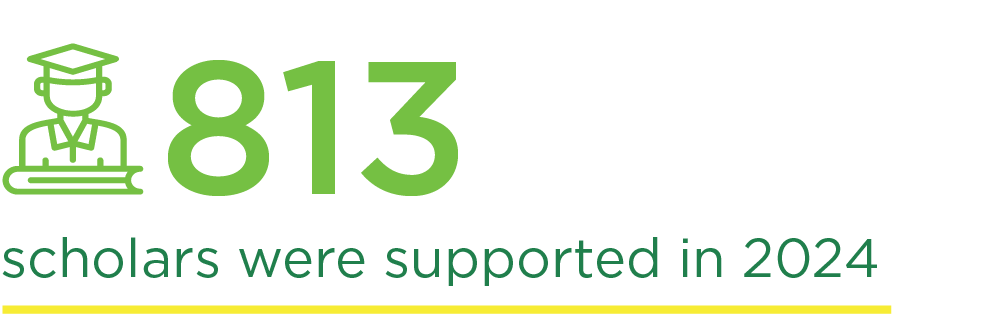
For AY 2023 to 2024, First Gen has provided scholarships for 29 senior high school (SHS) students and 12 college students. Meanwhile, for AY 2024 to 2025, 33 SHS scholars and 14 college scholars were supported.
EDC also supports two foundations that also provide scholarship assistance. Guided by their respective charters and Board of Directors, these two foundations operate independently but work with EDC’s CSR Team to implement scholarship programs and other initiatives that benefit communities in EDC’s project sites in Mt. Apo and Leyte.
Located in Kananga, Leyte, KEITECH is a multi-awarded technical-vocational training institute that offers full scholarships and employment placement support to deserving students from marginalized communities.
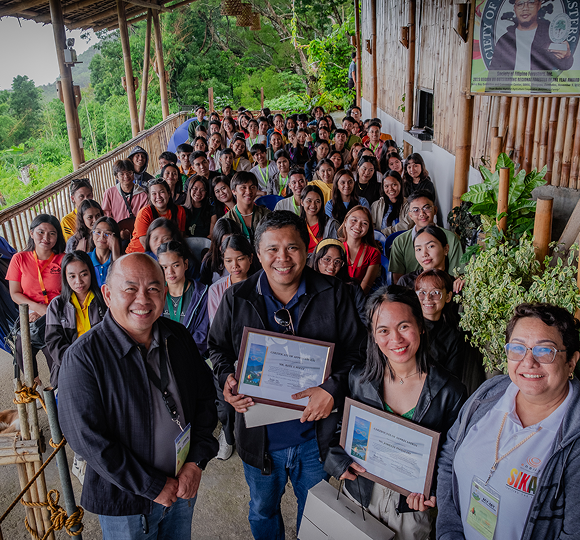
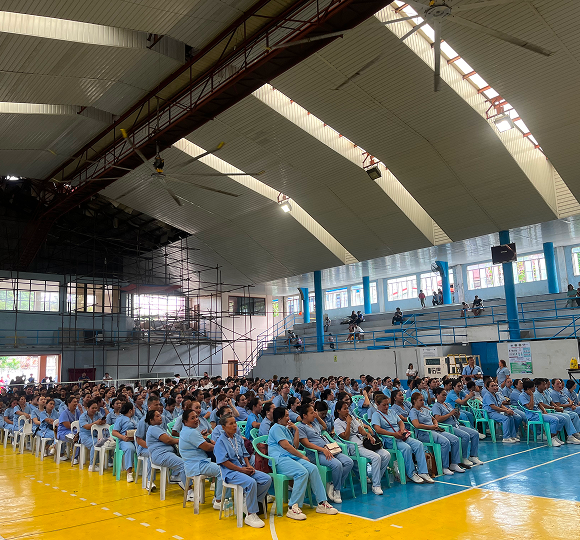
For S.Y. 2023–2024, KEITECH Foundation successfully trained 90 scholars under its Community-Based Training program. Of these, 25 trainees completed the Metals & Engineering courses, while 50 trainees completed the Construction & Handcraftsman courses as part of the regular training program supported by Philippine Associated Smelting and Refining Corporation (PASAR) Foundation, Inc. and Primary Structure Inc. Additionally, 25 trainees completed the Housekeeping course through partnerships with TG Services and Carlosta Hotel.
KEITECH’s commitment to quality technical-vocational education fosters high employability among its graduates. By actively collaborating with reputable industry partners, KEITECH ensures that the OJT component of its training program provides real-world experience, often leading to employment opportunities for its trainees upon graduation.
MAFI, another EDC-supported foundation, provides academic scholarship grants to deserving youth in Mindanao. As one of MAFI’s flagship programs, the Educational Development Program (EDP) offers scholarships to poor but deserving upcoming SHS and college students from indigenous communities and non-IP upland dwellers. For AY 2023-2024, MAFI supported 14 college scholars, providing them with monthly allowances and incentives. These scholars also participated in 15 learning sessions on culture and the environment to ensure their holistic development.
In March 2024, EDC’s Southern Negros continued its annual support to the local government of Valencia’s Technical and Vocational (TechVoc) Skills Training Program, as a partner, by turning over financial assistance amounting to PHP150,000 for training materials. Other institution partners of the program include Negros Oriental State University (NORSU), Foundation University (FU), Metro Dumaguete College, DepEd–Valencia District, and TESDA Negros Oriental Provincial Office. Overall, the programs benefited 300 deserving Valencianons, offering eight short courses: Caregiving, Bread and Pastry, Dressmaking, Electrical Wiring and Installation, Basic Computer and Hardware Maintenance, Satellite TV Receiver Systems Installation, Home Safety and Security, and Bookkeeping.
In Northern Negros, 72 residents from Barangay Mailum, Bago City, and Barangay Minoyan, Murcia, completed three (3) courses in metals and engineering, and construction. A graduation ceremony was held in April 2024 in Bago City.
In addition to providing scholarships, SIKAT also aims to provide mentoring support to help in the holistic development of the current scholars. SIKAT continued its webinar series called SIKATalks in 2024. The series serves as a platform for coaching, mentoring, and sharing valuable life lessons, inspirational stories, and special topics by EDC employees and SIKAT graduates. In 2024, an average of 240 online viewers were recorded for each of the self-paced 7 SIKATalks sessions. A summary of the topics discussed in the various sessions are summarized in the SIKATalks 2024 Sessions table.

Beyond scholarships, First Gen and EDC extend their support to local communities through the Brigada Eskwela Program.
In 2024, as part of First Gen’s Brigada Eskwela, employees volunteered their time to repair and repaint classrooms, revitalize hallways, and contribute to creating a better learning environment. Additionally, First Gen donated essential equipment to enhance classroom facilities, reinforcing its commitment to inclusivity and equal access to quality education.
A summary of beneficiaries of the Brigada Eskwela Program is as follows:
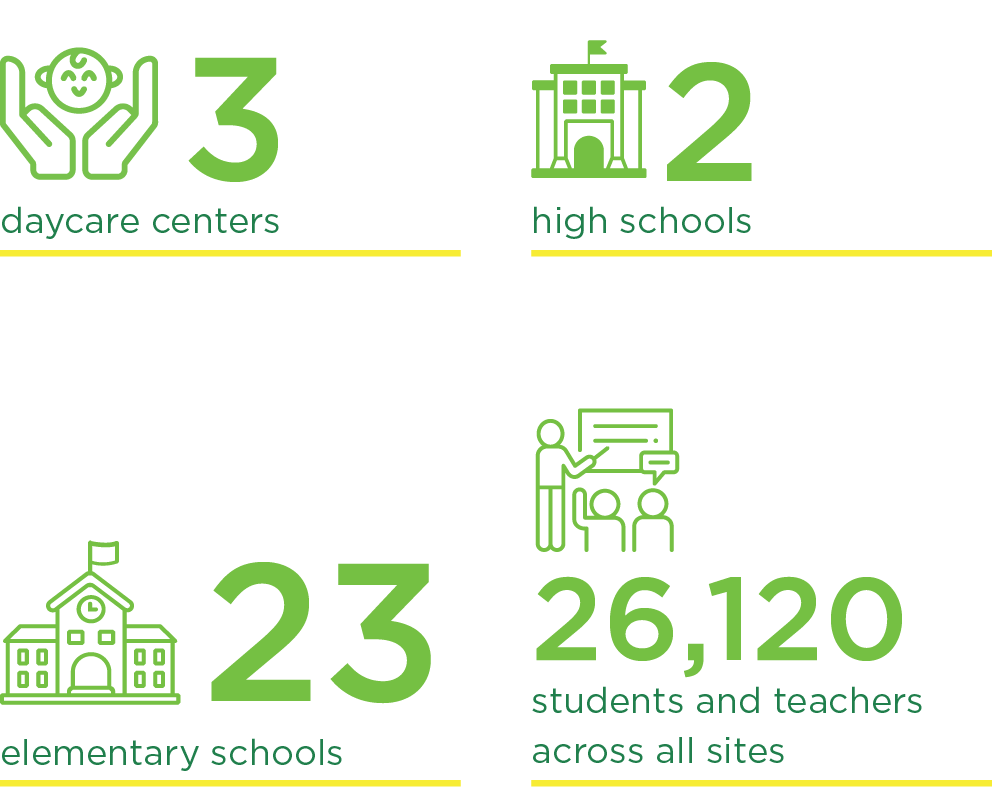

Through the Kalingang EDC Employee Volunteerism Program, the Company supported six elementary schools by providing painting materials and supplies. A total of 156 employees across EDC project sites in Leyte, Bicol, Negros, Mt. Apo, Burgos, and its Head Office, along with its contractors, participated in the cleanup and repainting of school buildings and offices.
In addition to donating painting materials, EDC also provided construction supplies, water system equipment, and cleaning materials to further enhance school facilities. Meanwhile, in Burgos, the Burgos Agro-Industrial School and Nagsurot Elementary School received assistance for the rehabilitation of their comfort rooms, improving sanitation and overall learning conditions.
On March 13, 2024, First Gen was awarded an Outstanding Partner of Lyceum Philippines University - Batangas (LPU Batangas) during its Industry-Academe Partnership Recognition. This recognition is part of the festivities marking LPU Batangas’ 57th founding anniversary, themed “Advancing Innovation through Expansive Industry Collaboration.”
Over the years, First Gen and LPU Batangas have collaborated closely, particularly in providing scholarships to students residing in Batangas City who need financial assistance to finish their studies. Beyond financial support, First Gen, through its Corporate Social Responsibility efforts, offers students opportunities to develop additional knowledge and skills. Scholars are engaged in programs such as proper handling of money (financial literacy), caring for one’s mental health, learning about climate change, and crafting climate solutions.
Through this partnership, First Gen is one with LPU Batangas in driving national progress and shaping a future workforce that is resilient and innovative, equipped with the knowledge and skills necessary to contribute towards a regenerative future.
Nurturing Social Enterprise Growth
First Gen, through BINHI, and in partnership with Sari Suki, a third party partner in the livelihood program for farmers, awarded BINHI contracts to four Farmers’ Associations (FA), providing 250 members with income. Key highlights are as follows:
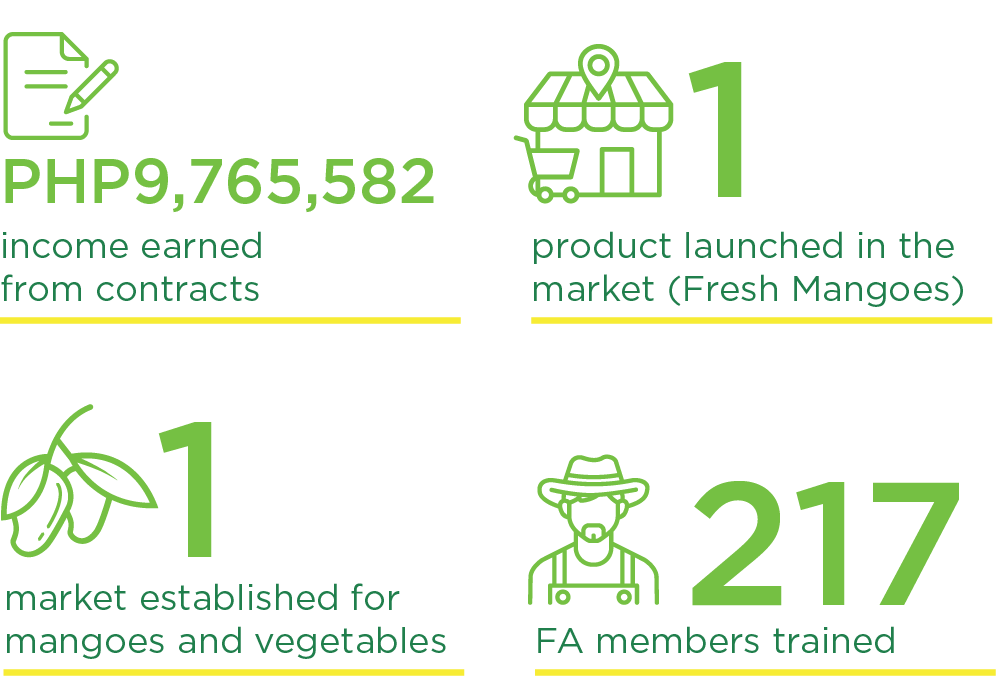
In partnership with Ang Hortaleza Foundation, Inc. and Concept Institute for Career Enhancement, Inc., First Gen conducted two skills training sessions as part of the social enterprise development of coastal communities.
In 2024, EDC focused on capacitating community organizations to enhance the farmers’ skills, knowledge, productivity, and income. About nine capacity-building activities were conducted by EDC’s partners from private and government sectors, which were attended by eight farmers / community associations. This initiative fosters positive social change with the long-term goal of developing self-reliant communities.
In Leyte, the EDC-assisted Tongonan Farmers Association (TOFA) participated in LGU Ormoc City’s Tourism Program: L.E.A.D.S. - Leading the Economic Activity for Development and Sustainability to help grow the city’s economy through increased tourism and livelihood; and the Department of Science and Technology’s (DOST) Seminar on Good Manufacturing Practices for Coffee and Cacao Products to enhance understanding of Good Manufacturing Practices (GMP) ensuring the production of safe and quality products. TOFA’s 2024 revenue amounts to PHP258,114 from their coffee and cacao products.
In Mt. Apo, EDC continues to capacitate the Obo-Monovu local coffee farmers organized as Sondowa Coffee Farmers Association (SOCOFA) to enhance their skills and elevate productivity in their 30-hectare coffee plantations in the ancestral domain of MADADMA in Brgy. Ilomavis, Kidapawan City, and the Municipality of Magpet through a series of seminars and workshops provided by partners from the LGU Kidapawan City, the Agriculture Office, and the Environment and Natural Resources Office (ENRO), and non-governmental organization, PeaceBuilders Community, Inc. (PBCI). These are:
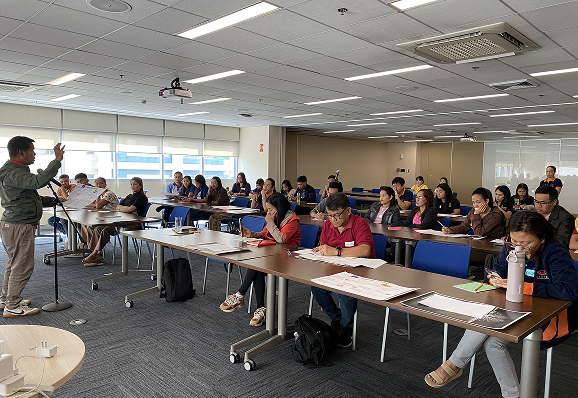
In November 2024, a two-day Social Enterprise Champions’ Summit was organized in Ortigas, Pasig City, for the representatives of respective Social Enterprise Development (SED) projects in the EDC Project Sites. The Summit focused on topics for active citizen leadership for social impact facilitated and on the science of storytelling. The Summit was conducted to empower participants through confident storytelling and better social media management and fostered collaboration and resource sharing.
The Summit participants included representatives from the following:
Building Resilient Communities through Disaster Preparedness
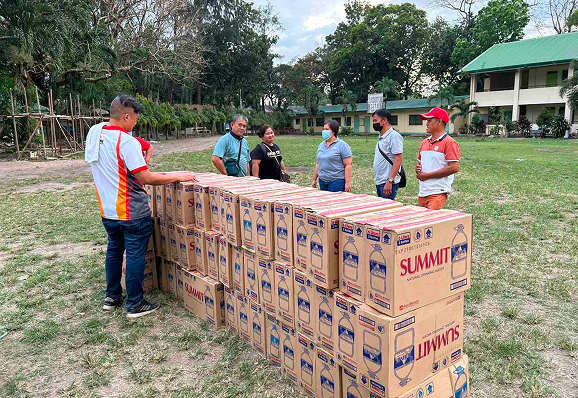
EDC strengthens its commitment to support Leyte for its climate resilience program by providing training to 14 high-risk barangays in Ormoc City. Entitled “Strengthening Community-Based Disaster Response Protocols,” the workshop drew participation from barangay officials and workers, DepED DRR Coordinators, and DRRMO personnel, totaling 103 participants in partnership with the Local Government of Ormoc City and the DENR.
In the Municipality of Capoocan, an All-Hazard Community Emergency Response (ACER) and Austere Environment Rescue Operation (AERO) training was provided to 47 participants representing Barangay Officials, Barangay Tanods, Health Workers, and Capoocan Municipal Disaster Risk Reduction Management (MDRRM) and Municipal Environment and Natural Resources Office (MENRO)
Other activities include the following:
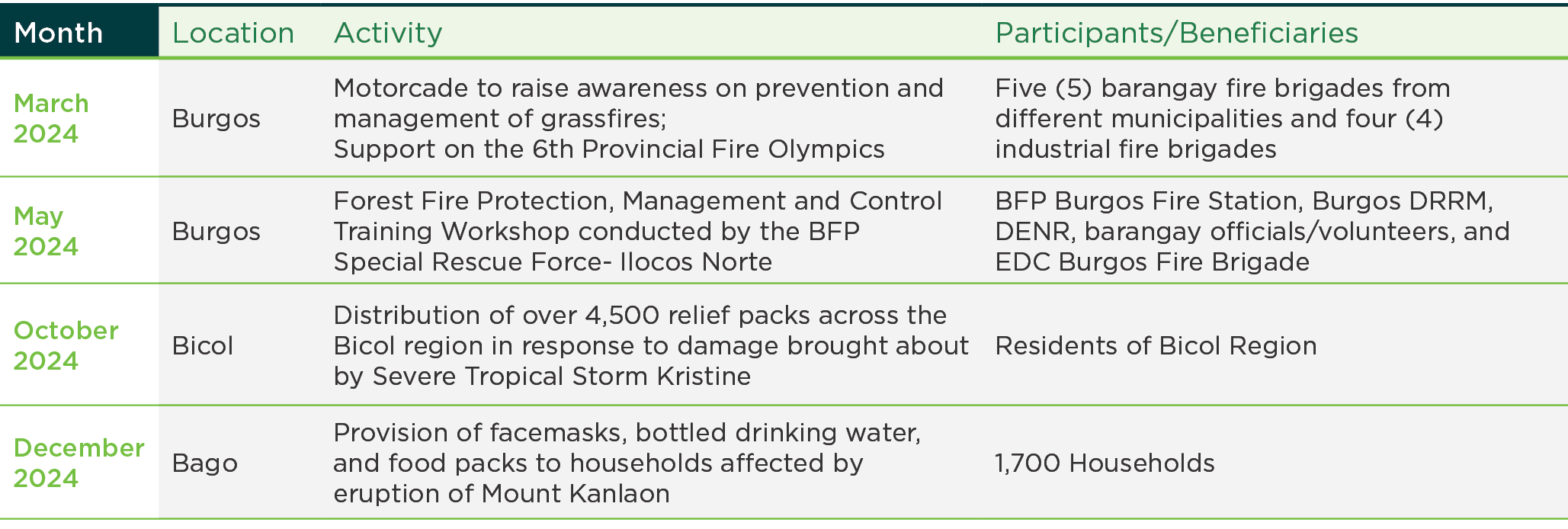

Watts Next? Regenerative solutions for island communities
FP Island Energy Corporation (FP Island), in partnership with First Gen and FPH, places employees at the center of its mission to drive regenerative development in island communities. Through the ideation program Watts Next? Regenerative Solutions for Island Life, employees from the Lopez Group served as key co-creators, actively shaping impactful, climate-responsive solutions for Caramoan and Garchitorena in Camarines Sur.
Launched in October 2023, the program began with a community video story showcasing the transformative impact of 24/7 solar power. The program empowered employees to step into the role of innovators and change-makers. Eight teams from across the Lopez Group submitted proposals that addressed the unique needs of the communities. Through expert consultations with organizations like DOST-PCAARRD, New Energy Nexus – Philippines, and EDC’s Innovation Team, employees refined and packaged their ideas into project proposals.
In January 2024, six teams presented their final proposals to a distinguished panel of judges, and winning projects were selected for funding and implementation. Employees are now collaborating closely with FP Island’s CSR team and local communities to bring these ideas to life, ensuring they are actionable, impactful, and regenerative. This hands-on involvement transforms employees into active partners in driving positive change beyond their office responsibilities.
By engaging employees as co-creators, Watts Next underscores First Gen and FP Island’s commitment to empowering their workforce to innovate and lead. Through Watts Next, employees have an opportunity to build meaningful connections with the communities, contributing to equity, and a shared vision of a regenerative future.
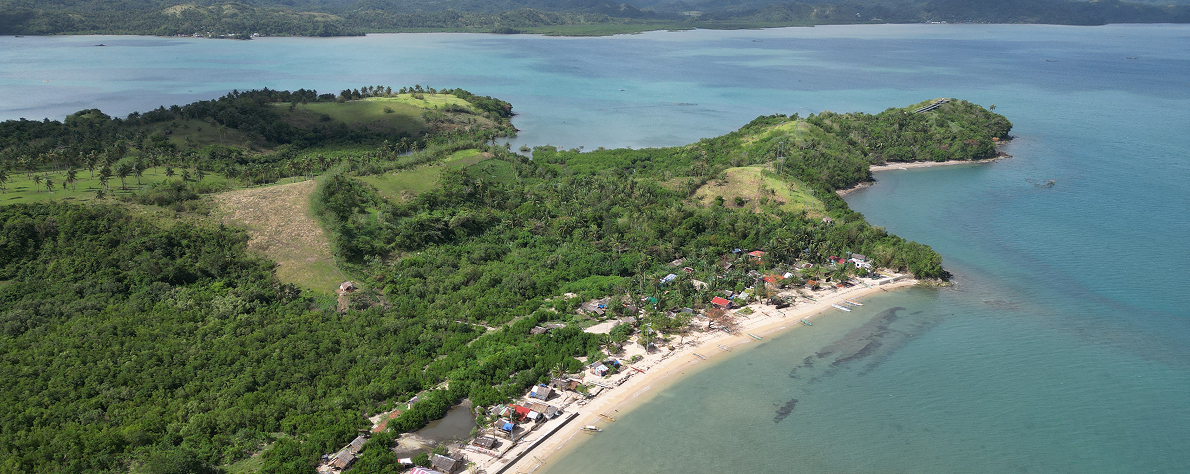
In the face of escalating climate challenges, First Gen’s flagship CFTC program has become a cornerstone of its mission to cultivate a decarbonized and regenerative future. Since its launch in 2017, CFTC has empowered young minds to not only understand the complexities of climate change but to take meaningful action that impacts their schools, communities, and beyond.
From February to March 2024, CFTC engaged over 1,327 students from First Gen’s host schools in Batangas City, Nueva Ecija, Camarines Sur, Bukidnon, and Agusan del Norte. Using immersive storytelling, interactive games, and hands-on activities, the program translated scientific concepts into relatable lessons, highlighting the difference between weather and climate, the impacts of global warming, and actionable solutions to address these issues.
One of CFTC’s highlights is its Climate Action Projects (CAPs) initiative, which challenges students to translate their learnings into tangible, community-driven solutions. In the first half of 2024, 52 student groups crafted projects that addressed local environmental issues, ranging from waste management and recycling to reforestation and water conservation.
To support these projects, First Gen provided seed funding, medals, school supplies, and other resources, ensuring the sustainability of the students’ environmental initiatives.
The program’s reach extended further in October 2024, with the change of academic calendar meant to create an opportunity to reach and educate further, as the CFTC Information, Education, and Communication (IEC) campaign engaged an additional 1,230 students in Batangas, Nueva Ecija, Camarines Sur and Agusan del Norte.
First Gen’s Create for the Climate program reflects its commitment to nurturing climate leaders and driving collective action. By equipping students with knowledge and tools, CFTC ensures that the next generation is not only aware of the challenges of climate change but empowered to shape solutions. These young changemakers exemplify hope and determination, embodying the belief that small, community-driven actions can create lasting, global impact.
Strengthening Indigenous Livelihoods and Heritage
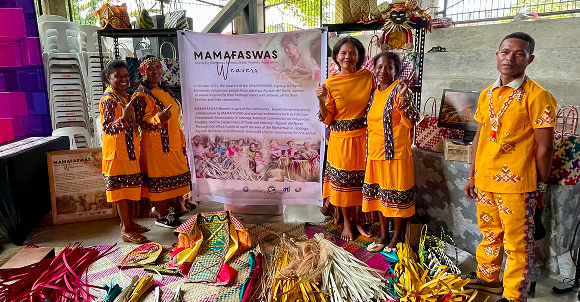
First Gen continued to support the indigenous community group Maraiging Mamanwas Farmers Skilled Workers Association (MAMAFASWAS) in 2024. As part of our commitment to empowering local communities, we conducted a skills training session attended by eight MAMAFASWAS weavers.
Additionally, 28 MAMAFASWAS members generated income through abaca-based product development, showcasing their craftsmanship at 10 trade fairs and expanding their market reach within Mindanao and Manila.
In celebration of the International Day of the World’s Indigenous Peoples in August 2024, First Gen Puyo formally turned over a 12-hectare abaca plantation—along with a variety of fruit-bearing trees—to the four indigenous people (IP) families of the Antawan clan in Sitio Pulang Lupa, Barangay Maraiging, Municipality of Jabonga, Agusan del Norte. This initiative, launched and cultivated in partnership with the IP families, represents First Gen’s long-term commitment to fostering sustainable livelihoods and preserving cultural heritage.
The turnover ceremony on August 20, 2024, was graced by representatives from First Gen, the Department of Environment and Natural Resources through the Community Environment and Natural Resources Office - Tubay, the Provincial LGU of Agusan del Norte represented by the Provincial Planning and Development Office and the Department of Agriculture, the National Commission on Indigenous Peoples (NCIP), Barangay Maraiging officials, local clan leaders, and Certificate of Ancestral Domain Title (CDT) 134 representatives.
Abaca, known for its high economic value, serves as a key income source for the IP families, while the inclusion of tropical fruits such as durian and rambutan enhances food security and long-term sustainability. More than just an economic opportunity, the plantation fosters peace, strengthens community resilience, and secures a regenerative future.
This event exemplifies First Gen’s deep commitment to DEI. By actively involving Indigenous communities and ensuring they benefit from regenerative projects, First Gen addresses the historical inequalities these communities face. First Gen’s focus on DEI reflects our goals of providing total stakeholder value by embracing and preserving rich cultural heritage, where all communities, including IP communities, have a chance to thrive.
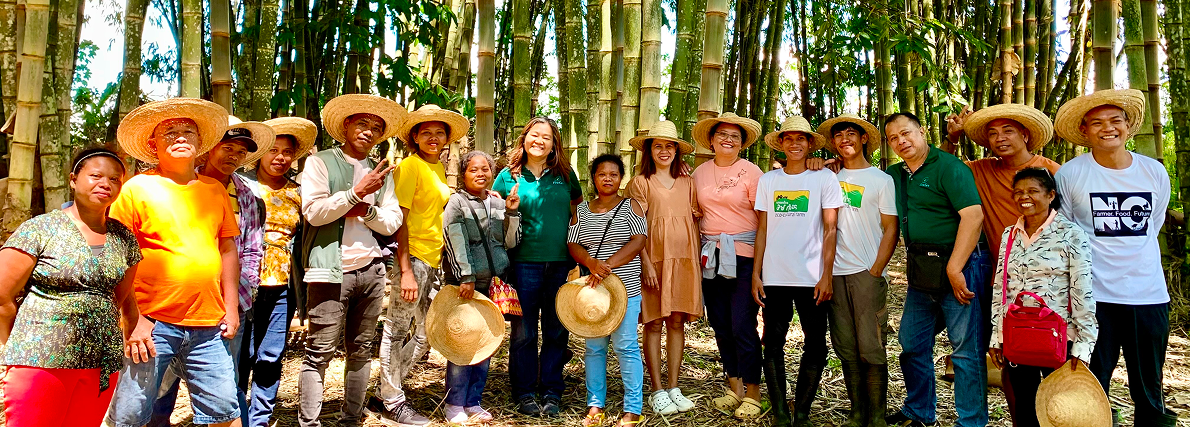
The IPs in Mt. Apo make up 80 percent of the local community within EDC’s area of operations. To preserve their traditional culture and as part of the Cultural Heritage Program for the IPs, EDC inaugurated the two Schools of Indigenous Knowledge (SIK) building in Brgy. Bongolanon in the Municipality of Magpet and Brgy. Kisante in the Municipality of Makilala, Cotabato, in 2022 and 2023, respectively, together with the NCIP, IP leaders, community members, and local barangay officials. This initiative aimed to help preserve and promote the Indigenous Peoples’ culture and living tradition, especially among the youth, through cultural masters.
The SIK in Brgy. Bongolanon, Magpet, had already started their periodic classes, which engaged culture masters from Obo Manobo Active Language Resource and Community Development Incorporated (OMALRACDI) and IP Leaders as teachers. In 2024, approximately 50 high school students had completed the 6-month classes for Batch 2, while Batch 3 of about 22 high school students will end their classes in March 2025, all from Magpet. They underwent teachings on indigenous culture’s practices such as languages, rituals, and dance.
Grievance Management
There were 33 recorded grievances, 26 of which were social and related to local hiring by the contractors. These grievances underwent the Indigenous Peoples’ customary practice of resolution and the Company’s procedure. All were closed out, and all parties involved reached a settlement. These resolutions led to the strengthening of our local hiring guidelines and their dissemination to the contractors. The remaining issues pertained to safety and security, primarily due to misunderstandings and the spread of inaccurate and unverified information about safety concerns, such as forest fires. These were also settled. The recorded incidents do not indicate violations of IP rights as defined in the Indigenous Peoples Rights Act (RA 8371 of 1997) but rather serve as documentation of grievances including how it was managed and resolved.
We have identified several factors that contribute to the effective management of grievances especially those involving the IP community.
As practiced in our projects with IP communities inside the operational site, a Grievance Redress Mechanism (GRM) remains in place that guides the resolution of grievances of our IP communities in Mt. Apo. Resolution of grievances involves the participation of major stakeholders and recognized IP groups that include:
Given that employment concerns constitute the majority of recorded grievances, a Local Hiring Policy (LHP) was developed by the Company to ensure that qualified local community members are given priority for employment opportunities within the company including local contractors that the Company is engaging. This is being executed in close coordination with the BLGU Ilomavis and MADADMA IPO who provide recommendations and endorse members of the local community who are interested in applying for various job opportunities within the company.
We intend to continue close coordination with relevant government institutions and IP organizations in ensuring that IP rights are not violated and we remain above-board in the implementation of various initiatives within our areas of operation.
Provision of Community Needs
EDC dedicated time and effort to understanding the needs of its communities to identify solutions that can help address the challenges they face in delivering public services.
As a result of this engagement, EDC made a significant impact on the members of its host communities. In Leyte, the organization provided construction materials for the covered court at Rizal National High School, and waiting sheds for two puroks in Barangay Lake Danao, Ormoc City, with a total value of Php 173,000. Meanwhile in Burgos, EDC donated 60 solar street lamps each to Barangay Pagali and Barangay Paayas to improve the road lighting as well as promote safety and security for the barangay members. Labor requirements in the installation were provided by both barangays as their counterpart.
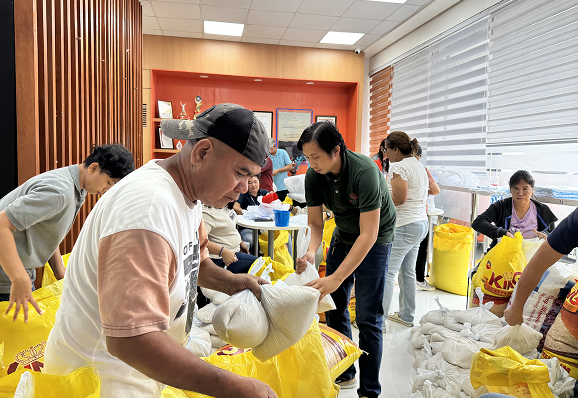
Additionally, ongoing activities include support to the Barangay Ilomavis Peacekeeping Action Team (BPAT) with 24 sacks of rice in Mt. Apo. EDC is also implementing health program initiatives, such as medical missions and the distribution of medicine to all nine host barangays in Bacman.
Strengthening of Local Health Centers and Programs
At First Gen, we believe that healthy communities are the foundation of a sustainable and regenerative future. Guided by this commitment, we have consistently worked to enhance the health and well-being of the communities we serve. During the pandemic, we pivoted to delivering essential medical supplies and equipment to address urgent needs. In 2024, we resumed direct health missions, ensuring that accessible and quality healthcare is once again available to our partner communities.
Through close collaboration with government health offices, local organizations, and volunteer practitioners, First Gen conducted a series of impactful health missions in Batangas City, Agusan del Norte, Pantabangan in Nueva Ecija, and Bukidnon. These initiatives addressed critical healthcare needs, from dental care and eye consultations to the distribution of medicines, fostering stronger and more resilient communities.
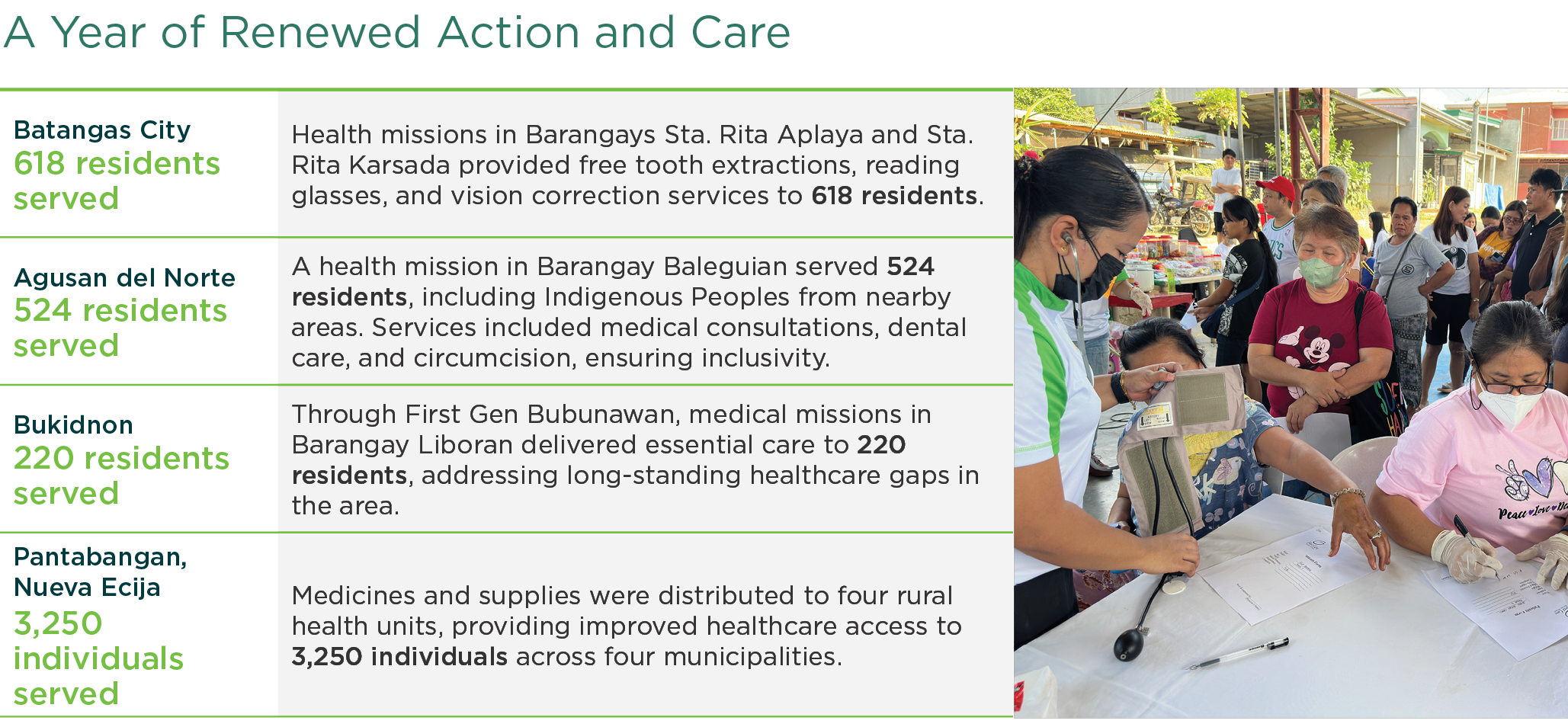
These health missions were made possible through partnerships with provincial and municipal health offices, barangay health workers, and dedicated medical volunteers. Together, these collaborations exemplify the transformative power of collective action in addressing community health challenges.
By restoring access to essential healthcare services, First Gen reaffirms its role as a trusted partner in building resilient and thriving communities. As we continue these efforts, we remain steadfast in our mission to safeguard community health, ensuring that every step we take brings us closer to a sustainable and regenerative future.
Promoting Workplace Safety and Reinforcing Partnerships with Vendors and Contractors
First Gen contributes to the local economy through expenditures on goods and services from local businesses. In 2024, First Gen spent Php 111.9 billion local suppliers and contractors, accounting for 93 percent of the Company’s total expenses.
First Gen recognizes the importance of maintaining a safe and healthy work environment for all its employees, contractors, and subcontractors. Through the enforcement of the Occupational Safety and Health Programs, First Gen aims to reduce risks and prevent serious injuries, illnesses, and fatalities. To ensure effective management of risks associated with contractor activities, First Gen continuously upholds the implementation of its Contractor, Environment, Safety, and Health System (CESHM). As one of the key phases of CESHM, thorough due diligence is conducted to assess contractors’ compliance with regulatory requirements prior to engagement.
To promote awareness of the CESHM process to its internal stakeholders, a total of five refresher and awareness trainings were conducted in 2024.
The CESHM process covers the whole cycle of contractor engagement from prior to engagement until after the project has ended.
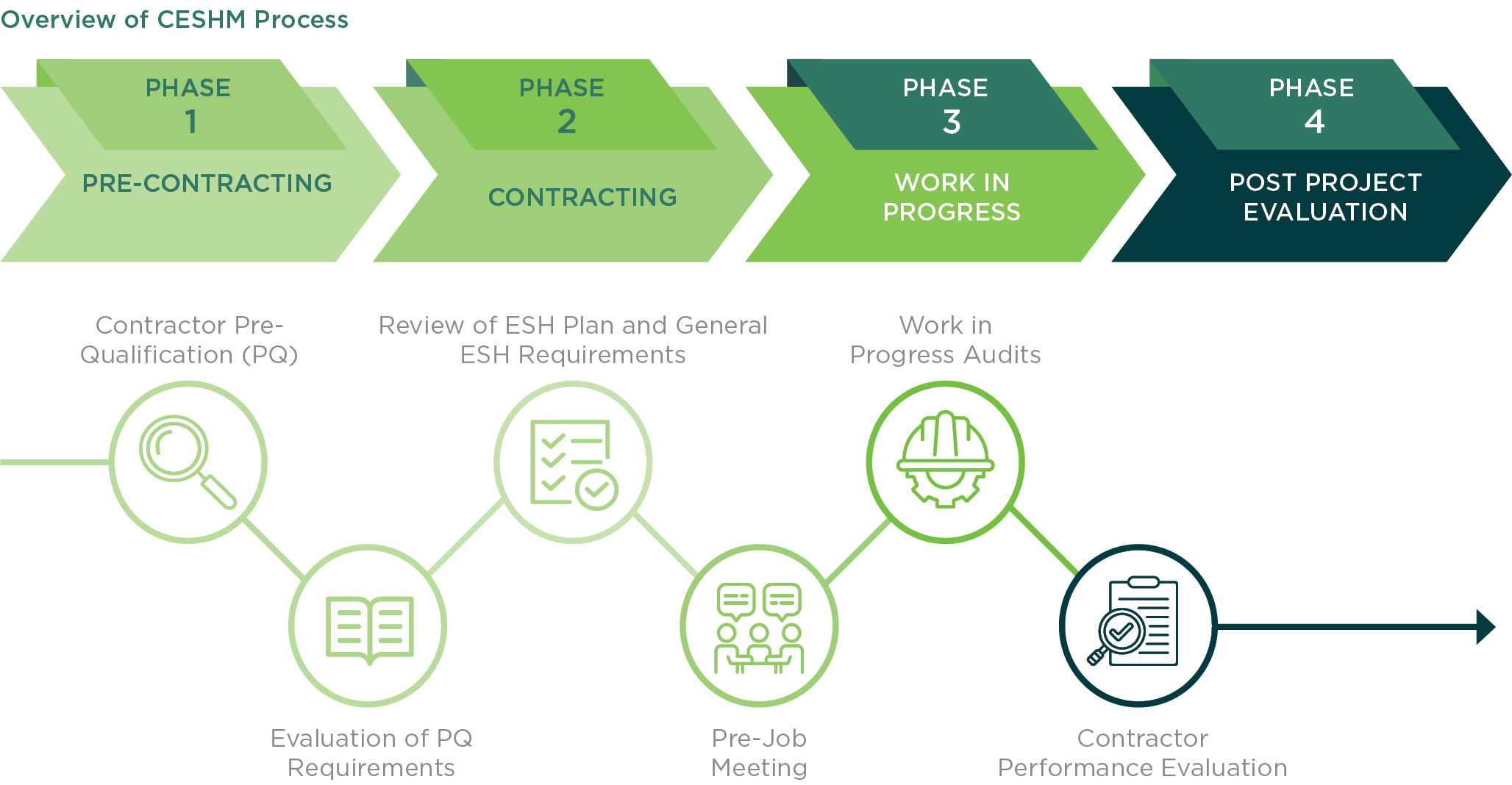
A total of 29 contractors were pre-qualified and assessed on environmental and social criteria as per the CESHM checklist, of which 86 percent were rated to be compliant with DOLE, DENR, and First Gen requirements. For contractors deemed non-compliant, the identified gaps were communicated to them for their compliance, and they were asked to provide further documentation as evidence of compliance prior to engagement.
Work-In-Progress (WIP) audits were conducted to validate compliance and ensure implementation of First Gen ESH requirements during work execution. In 2024, seven WIP audits were conducted for five contractors of First Gen.
As a complement to the CESHM process and to verify and validate compliance with DOLE General Labor Standards and Occupational Health Standards, First Gen conducted contractor audits among its subsidiaries, including FG Hydro, FG Bukidnon, and Head Office (HO). A total of seven contractors were audited, and identified gaps were communicated to them for their action. They were given a grace period of 7 days to provide evidence of compliance.
In addition, a number of training sessions were conducted for our Contractors to increase awareness further and promote the safety culture. These include trainings on Contractor’s ESH Orientation, Permit to Work (PTW) Orientation, Motor Vehicle Safety, First Aid and Basic Life Support, Snake Bite Prevention, Fire Prevention and Safety Drills, Emergency Response Team Competency Training, Industrial Hygiene, Handling of Hazardous Chemicals, Road Safety and Defensive Driving, Hand and Power Tools safety, Work at Heights, Handling, Storage, and Disposal of Hazardous Chemicals and Hazardous Wastes.
There was one fatality related to road transport in 2024. This was promptly investigated and corrective actions related to issuance of safety alert, carrying out of approved Journey Management Plans, and proper execution of demobilization protocol were implemented. Due to the ramp-up of operations, there was a 43 percent increase in the total contractor manhours and along with it, an increase in the number of recordable incidents and near-misses were noted. Nevertheless, First Gen continues to implement measures through its various safety and health programs to reduce and mitigate risks in the workplace.
Commitment to Data Privacy and Security
At First Gen, safeguarding customer data is a core commitment to promoting trust and forging lasting relationships. The Company prioritizes data protection as part of its integral operations. For transparency, First Gen issues a Data Privacy Notice whenever customer data is collected, clearly describing how the information is handled. The Company also employs robust security measures to protect customer information from unauthorized access or security breaches. In 2024, a new IT Security Policy was crafted, which defines the framework for securing IT systems to ensure confidentiality, integrity, and availability of information. As a testament to these efforts, First Gen received zero complaints in relation to customer data privacy and loss of customer data.
Collaboration with the Government and Private Sector
First Gen, as one of the climate change leaders in the power industry, expresses our support for the policies and advocacies of the government related to climate change. While we do not have a policy and management system for lobbying activities and trade association memberships, our Company provides our views and positions on public policies relating to climate change, aligned with the Paris Agreement. First Gen and its subsidiary, EDC, regularly participate in government consultations on relevant environmental protection and management policies and regulations. Through their participation, they provide insights on the specific technologies of First Gen and EDC so that these are considered during policy development. First Gen also partners with various organizations to aid in its mission on climate change.
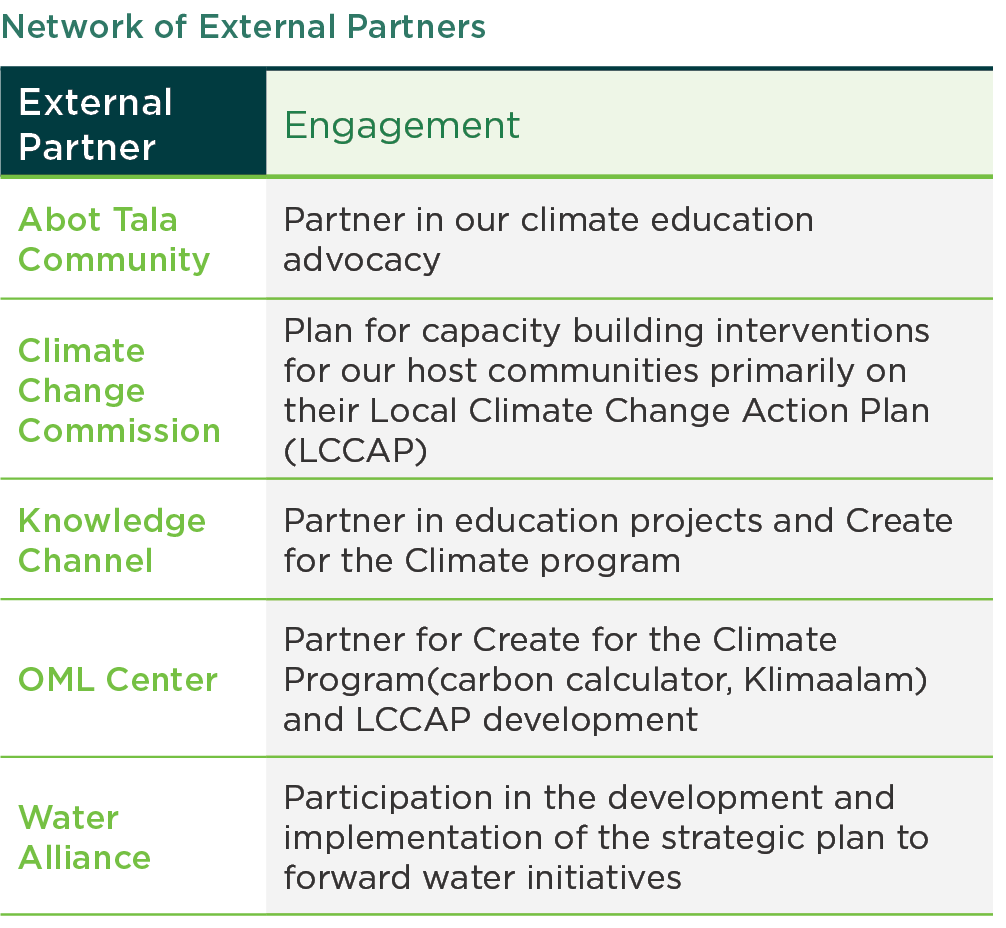
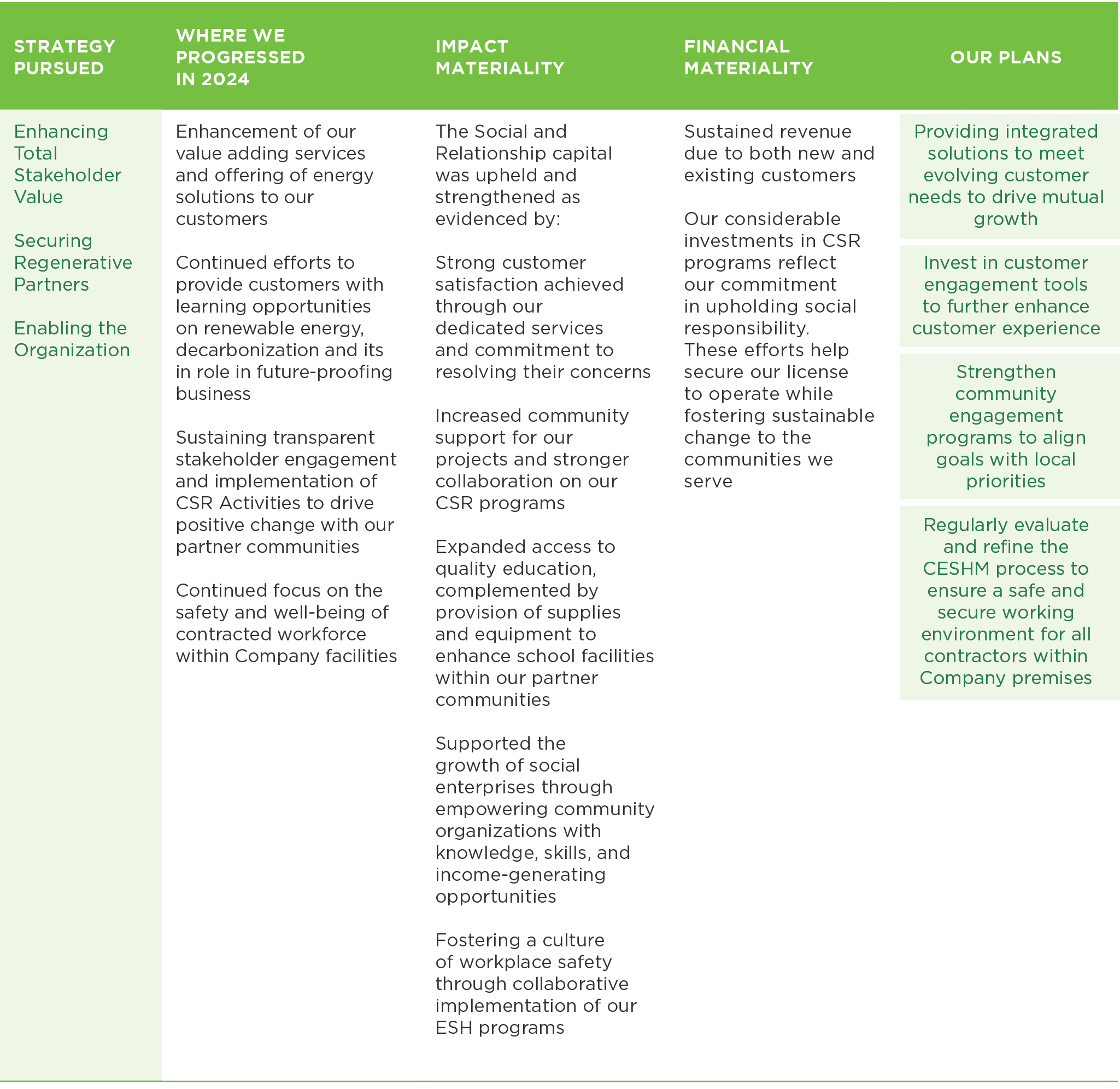
Summary of our Social and Relationship Capital Performance, Impacts, and Plans